Creating Effective Transportation Plans for Large Parties and Events
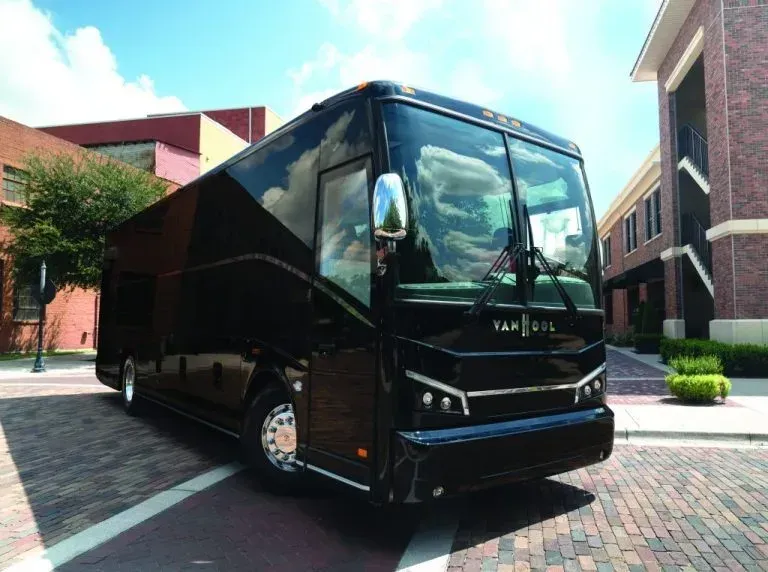
Organizing transportation for a large group can soon become a challenging responsibility when several schedules, pickup details, and travel requirements are involved. Whether the occasion involves corporate gatherings, family celebrations, group outings, or special events, ensuring everyone arrives together and on time requires thoughtful planning. A properly planned transportation approach helps minimize confusion, decrease delays, and provide a more enjoyable experience for all participants. Through understanding the fundamental components of transportation coordination, planners can ensure a seamless journey from beginning to completion.
When large parties travel together, transportation plays a role that goes beyond simply transporting passengers from place to place. It serves as an essential element of the overall occasion. Careful organization helps preserve timelines, strengthen participant communication, and improve overall travel comfort. At A1 Quality Express Limousine, we appreciate the importance of delivering organized transportation arrangements that support convenient and reliable group travel.
Plan Transportation Ahead of Time
Effective group transportation starts with advance preparation. Delaying arrangements until the final stages can reduce available choices and make it harder to meet the group's unique requirements. Planners should start by identifying passenger counts, travel schedules, anticipated departure times, and destination needs. Securing these details ahead of time helps build an effective transportation strategy that supports the overall schedule.
Early preparation helps organizers identify possible challenges before they create disruptions. Transportation arrangements can be affected by traffic conditions, event timelines, pickup more info coordination, and accessibility requirements. Considering these details beforehand enables planners to design transportation strategies that improve efficiency. Thorough preparation often results in smoother travel experiences and fewer unexpected disruptions.
Understand the Specific Size and Needs of the Group
An essential part of coordinating transportation involves understanding the group’s size and individual travel needs. Accurate passenger counts help ensure the appropriate vehicles are selected and prevent overcrowding or underutilized transportation resources. Coordinators should establish participant counts promptly and keep them updated throughout the planning process.
Apart from determining group size, attention should be given to the unique needs of participants. Some travelers may require additional luggage space, while others may need special accommodations or assistance. Understanding these details allows transportation arrangements to be customized accordingly. Carefully gathering complete information contributes to a more efficient and enjoyable travel experience for all participants.
Build a Structured Transportation Schedule
A well-defined transportation schedule functions as a guide for the whole group. Organizers should clearly list departure times, pickup locations, journey durations, arrival objectives, and planned route stops. A detailed itinerary reduces confusion and ensures everyone knows where and when they need to be. Clarity and consistency are particularly important when handling larger groups with many participants.
Communication is a key factor in ensuring schedules work effectively. All passengers should be provided with transportation information prior to the event. Distributing itineraries via email, messaging apps, or printed documents ensures everyone stays informed. When expectations are clearly communicated, transportation processes become smoother and more efficient.
Create Unified Pickup and Drop-Off Locations
Working with many pickup locations can introduce avoidable challenges in coordination. Whenever feasible, planners should designate central pickup and drop-off locations that are convenient for everyone. Centralizing locations helps speed up boarding and minimizes delays caused by frequent stops. It simplifies communication processes and boosts overall coordination effectiveness.
Centralized locations provide additional benefits by making it easier to account for all travelers before departure. Group coordinators can confirm attendance, provide updates, and address concerns before departure. This structured approach ensures all participants are ready and helps maintain schedule accuracy. Clear gathering points play a major role in creating smooth travel experiences.
Ensure Clear Communication at Every Stage
Good communication is one of the key components of coordinated group travel. All group members should receive ongoing updates about schedules and changes. Providing precise details helps avoid confusion and improves readiness. Good communication improves operational flow and traveler satisfaction.
Coordinators should set up consistent communication methods for all updates. Group chats, email updates, and assigned representatives help ensure fast communication. Communication consistently serves as the unifying factor in organized transportation. Consistent updates help maintain confidence and minimize disruptions throughout the journey.
Plan for Unexpected Circumstances
Even well-planned transportation schedules may face unforeseen situations. Conditions such as weather, traffic, timing changes, and delays may demand immediate action. Flexibility within planning improves the ability to handle sudden changes. Good preparation improves resilience during unexpected changes.
Preparedness plans should incorporate communication backups and alternative arrangements. Prepared systems help reduce stress and maintain order during disruptions. Proactive strategies help maintain efficiency during necessary adjustments.
Highlight Comfort and Ease for Travelers
The comfort of travelers strongly influences the journey experience. Large groups frequently travel for long durations, making comfort and convenience essential. A well-managed environment and seating comfort enhance the travel experience. Travelers who feel comfortable are more likely to enjoy the experience and arrive ready for their planned activities.
Convenience is an important factor in smooth transportation management. Efficient procedures and clear instructions reduce unnecessary difficulties. When transport is well organized, passengers can enjoy the event instead of stressing about logistics. Convenient travel arrangements support a more successful overall experience.
Work with Experienced Transportation Professionals
Group transportation involves multiple moving components, making professional assistance highly valuable. Expert providers are capable of handling schedules and coordinating group movement effectively. Their expertise can help organizers navigate complex logistics while ensuring transportation plans remain organized and reliable.
Professional transportation teams often bring valuable insights that improve overall coordination. Their familiarity with group travel allows them to anticipate challenges and recommend practical solutions. By relying on professional experience, planners can focus on the event while logistics are handled carefully.
Make Transportation an Extension of the Event
Transportation functions best when integrated into the event experience. Proper coordination gives travelers time to unwind and connect before reaching their destination. Good coordination contributes positively to the event experience and creates a welcoming tone.
At A1 Quality Express Limousine, we know that successful transportation is built on planning, communication, and service excellence. Organizing large-group transportation does not need to be overwhelming when proper strategies are applied. Attention to structure and comfort ensures successful group transportation experiences. We take pride in delivering smooth transportation experiences that help every passenger travel confidently and comfortably.